
The decision to rent or buy is one of the biggest financial choices you will make. For some people owning a house is a more attractive proposition while others prefer to rent. Both renting and buying have their pros and cons, and which you choose will depend on personal circumstances and preferences. In order to help you decide whether to rent or buy, we explain what renting is compared to buying, factors to consider when deciding, and the advantages and disadvantages of each.
Is it Better to Buy or Rent a House?
Deciding whether to buy or rent a house is an entirely personal choice. Buying a house leads to long term asset building and stability that renting cannot offer. With mortgage payments, you are building equity in the home, effectively an approach that saves money in a tangible asset. It is also a big financial investment which means you do require a substantial deposit in order to purchase a home. Buying a home is an investment in your future and most likely can lead to lower long-term costs in the long run.
Renting on the other hand means less financial commitment but no long term equity building. Rent can also increase at any time or the landlord can decide to sell. In most cases, if finances and lifestyle allow, it is better to buy than rent. Housing in regional areas like Echuca offer an affordable entry point into the market. Typically housing in these regional areas comes with larger spaces and a more relaxed community focused lifestyle.
Buying vs Renting: What To Consider
When choosing between buying or renting there are several factors to take into account. While the most important factors may be your current financial and personal situation, there are a number of other considerations. These include:
- Available finances: Your available finances heavily impact the ability to buy or rent a home. If you wish to buy a home, you need a substantial downpayment of about 10 to 20% of the property price upfront. On top of that are legal fees, inspection costs and stamp duty. If you don’t have the savings put aside, it will be more difficult to purchase a property. If you decide to rent a home, the down payment is significantly less. Most rental properties simply require a month’s bond and a month’s rent in advance to secure the lease.
- Ongoing costs: If you buy a property, apart from paying the mortgage each month, there are some ongoing costs like rates, land taxes, insurance, maintenance and potential repairs. The ongoing cost of renting are monthly rent payments and household bills.
- Current and future lifestyle: Consider what is important to you and goals for the future. If you want to settle down and start a family, then buying is a secure option. If you are wanting to travel and have minimal responsibilities, then renting is probably the best choice for you.
- Location: Where you want to live may be an important factor in deciding to rent or buy. If you are looking for a more serene country lifestyle, often buying a home will be a better choice as property prices tend to be less in rural areas. Whether you are a young family, couples or retirees, buying in the country presents an attractive option with a plethora of benefits. Apart from lower house and land, or land prices, county living means less hustle and bustle, living closer to nature, and a slower pace of life. Locations like Echuca offer the best of both worlds with close proximity to the Murray River and a few minutes drive from modern amenities.
- Government incentives: If Government incentives like the first home buyers grant can make buying a home more affordable, that is a great incentive to purchase rather than rent. Some Government incentives can reduce upfront costs of buying by lowering the initial deposit needed. There are also tax incentives for people looking to buy a second or subsequent house. These include negative gearing and capital gains concessions which can make buying investment properties more appealing. For those considering renting, Government incentives may include subsidised housing, rental rebates for public housing tenants, or assistance with rental bonds for those struggling with finances. Any of these Government initiatives can influence the decision to buy or rent a house as they provide a form of financial reprieve in each case.
- Insurance: The amount you need to pay for insurance and the type of insurance required varies depending on whether you rent or buy. If renting, a tenant will only need to pay for contents insurance. For those who buy a property, insurance payments will have to cover home, building and contents insurance.
- Pets: Pets may affect whether you rent or buy a home. Some rental properties do not allow for pets which makes it harder to find suitable accommodation to rent. Often landlords also put restrictions on the type, size or number of pets you can have in a rental property. In some cases, landlords may charge more for tenants who own pets. For pet owners who are considering buying, they will need to find a property that is suitable for their pet which includes features like yard size, access to parks and potential damage to the property.
- Long term savings goals: When considering your long term savings goals, both renting and buying have their advantages. If you rent and avoid having to pay the extra costs associated with buying, you may be able to save more for the future. However, buying a house provides long term security and a safe financial investment that keeps growing in the future.
- Current property market: The state of the property market is often a significant factor in the decision to buy or rent a house, impacting both the rental and purchasing market. When property prices are high, it may be impossible for first home buyers to enter the market, pushing them towards renting. However, when rentals are in high demand, it can be an incentive for people to buy investment properties.
- Interest rates: The state of interest rates influences renting or buying choices. When interest rates are high and predicted to increase, people are less likely to buy a home. However once interest rates come down and become stable, the interest in buying a home increases.

Buying vs Renting: Advantages and Disadvantages
There are a variety of pros and cons for buying or renting a home. In order to help decide which is the right choice for you, let’s look at the advantages and disadvantages here:
Buying Advantages
- Stability and ownership: Owning a home offers a level of stability that renting does not. When you own a home, it is yours and there is no landlord to decide to sell or force you to move out.
- Freedom to change the property: Home owners can change the property as much as they want to as it is theirs to alter. This means everything from painting walls and building gardens to renovating or extending.
- Property appreciation: Over time, house prices are most likely to increase which means your investment is earning you money and providing a good financial reward.
- Ability to rent out your home: Those who own their homes can rent them out if they choose to. Rental properties are good for investors who want to take advantage of incentives like capital gains tax and negative gearing.
- Home equity: As you pay off your home, you build equity which can be a valuable asset.
- Improving credit score: Responsible and regular payments of a mortgage will help with your credit score. Regular repayments demonstrate responsible borrowing behaviour which has a positive impact on a credit score.
Buying Disadvantages
- Several expensive costs: When you buy, the costs can be very expensive. These include the downpayment for the mortgage, the mortgage repayments, insurance, land tax, maintenance and repairs.
- Long-term debt: Buying a home often means having a long term debt in the form of a mortgage. Most first home buyers take out a mortgage for 25 to 35 years.
Renting Advantages
- Potentially lower costs than mortgage repayments: When you rent, it is potentially going to cost less than paying off a mortgage on a similar property. Renters also have the option to share the rent expenses with housemates which purchasers are often less likely to do.
- Less overall expenses: There is no need to pay for maintenance, rates or body corporate fees as this is the responsibility of the landlord.
- No debt: People who rent do not have the worry of a large mortgage as the only responsibility is to meet the rental agreement each month.
- More freedom: You have the flexibility to move at any time provided the rent is paid and the lease has expired.
Renting Disadvantages
- Rent is dead money: Rental payments are often considered dead money, unlike mortgage repayments that are an investment for the owner.
- Cannot make changes to home: There is little or no chance to personalise the look of the home by adding a bedroom, renovating or even painting. Most landlords will need to agree to changes being made to the home, even if it is just adding a garden or putting up wallpaper.
- Instability: Renting is unstable. You never know when the rent may be increased or the landlord may decide to sell and you have to move.
- The issue of pets: You may not be able to keep pets if you rent or the landlord may charge extra for having them.
Buying vs Renting Costs
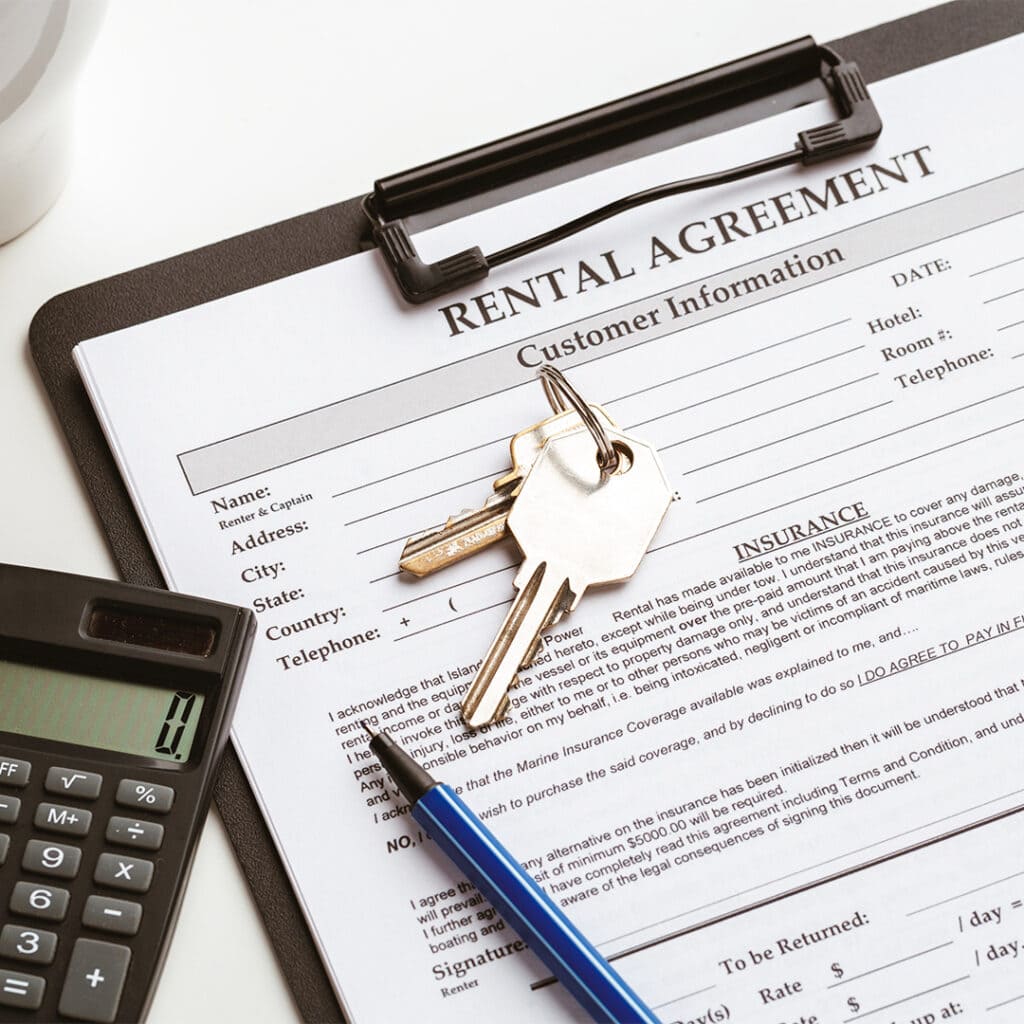
To understand the differences between renting and buying one of the biggest factor is costs. The following table shows an overall comparison of costs when buying vs renting.
| Cost factor | Renting | Buying |
| Upfront costs | Security deposit, first month’s rent | Down payment, closing costs |
| Monthly payments | Rent | Mortgage payment, property taxes |
| Maintenance costs | Landlord’s responsibility | Homeowner’s responsibility |
| Property taxes | Not applicable | Paid by homeowner |
| Utilities | Typically paid by the renter | Paid by homeowner |
| Potential tax benefits | None | Mortgage interest, property tax deductions |
Common Mistakes When Deciding Whether to Buy or Rent
With an understanding of the pros and cons of buying vs renting, it is important to avoid these common mistakes when deciding to rent or buy.
- Overestimating or underestimating costs: A common problem, particularly when buying a property, is underestimating the costs. It is important to consult professionals to get a fixed price on what the large expenses are going to be to avoid being caught without enough funds. To avoid either overestimating or underestimating costs when deciding to buy or rent, make sure you create a detailed budget that includes every potential expense after researching costs thoroughly. Consult with professionals to get accurate assessments, including location based costs and potential taxes.
- Ignoring future market trends: The residential market is always changing in both the buying and rental areas. Make sure you think ahead when deciding to buy or rent. Sometimes people buy a property without taking into account the increasing interest rates which then becomes an issue when funds become scarce. Consider the area you choose to buy in and research to see if the location is steadily appreciating or if housing prices are decreasing. When renting, consider the likelihood of rent increases or the landlord selling to avoid unnecessary relocations.
There are significant differences between buying and renting which can impact which one is the right choice for you. Finding a house to live in is a big decision and buying is a financial commitment, so we put together this guide to help you decide. In the current market, there is a trend towards rural living for its relaxed lifestyle and lower prices. For further information on buying or living in a rural area like Echuca, contact the friendly team at Yallarah.