
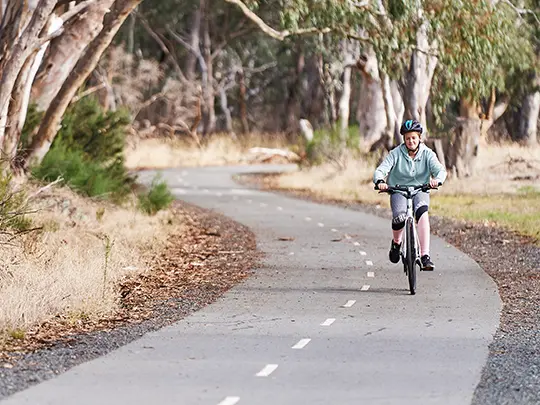
Making the choice on where to live is an important decision that will impact finances, quality of life and opportunities. For many people the most important factor is location and whether to live in the city or country. We have put together this guide on country vs city living, the pros, cons and differences to help you decide the best place to live.
The Difference Between City and Country Living
City and country living are different worlds and each has its own advantages and disadvantages. Life in the country means more nature and wide open spaces. The air is fresher in the country and homes can be further apart. Life in the country is quiet and you feel closer to the rhythms of the earth. Your windows frame fields and trees that change with the seasons, and the stars are infinite. In the city, it rarely gets dark from the light pollution and streetlights. Houses are closer together and there tends to be more noise. Outside are tall buildings, impressive architecture and the hustle and bustle of daily life.
Pros and Cons of City and Country Living
Living in the city or country is a big choice to make. Each lifestyle has its own pros and cons, and something to offer everyone. To help you decide we’ve looked at the pros and cons of city and country living.
City Life
City life is busy and much louder than life in the country. It means close proximity to people, facilities and amenities. In the city, some places are open all day and night. City life may not be for everyone so let’s look at the pros and cons of living in a sprawling metropolis.
Pros
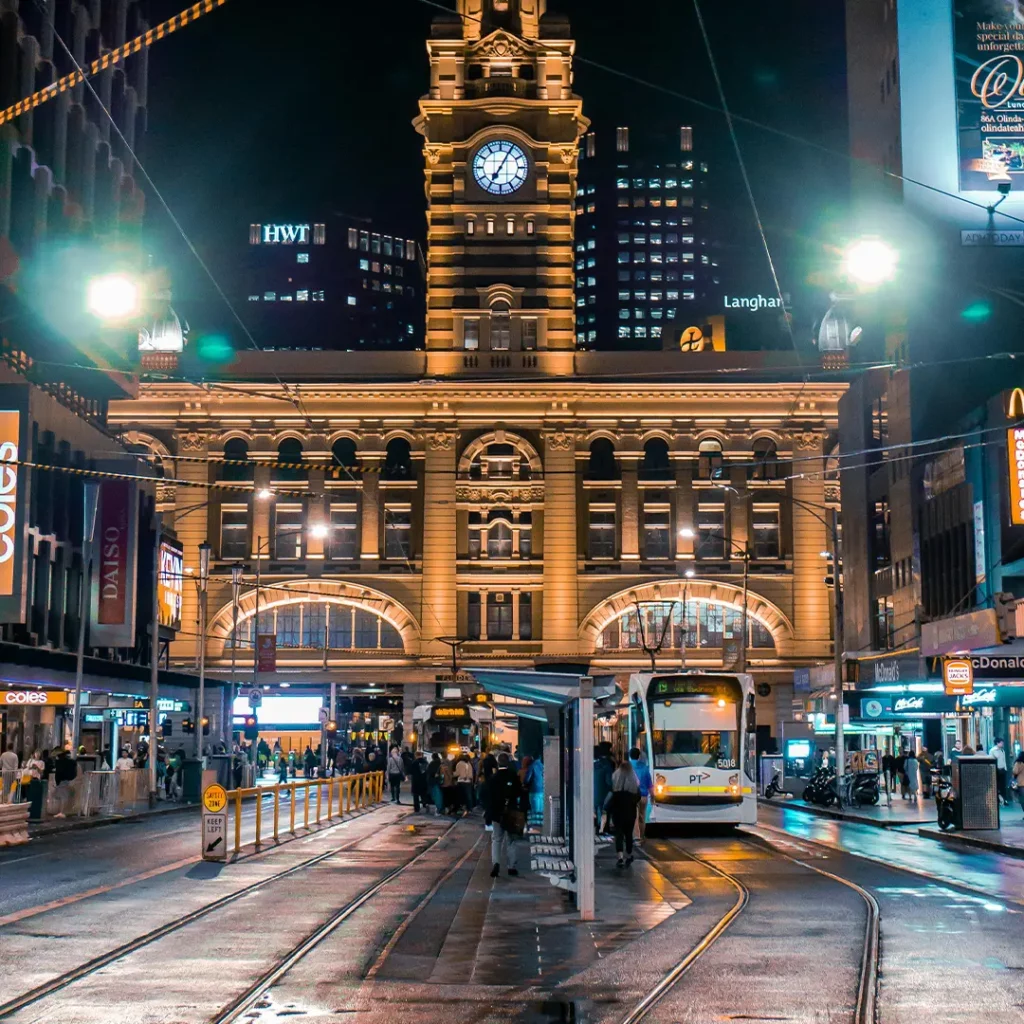
Shops, restaurants and other facilities: Shops, restaurants, bars and businesses are often open much later than in rural areas and have more consistent hours. Socialising is easier with a variety of cocktail bars, pubs, nightclubs and coffee shops at your fingertips.
Transport links: The city has extensive public transport services and links to make getting around convenient.
Cons
Expensive: Life is more expensive in the city. Housing costs tend to be higher than in the country as demand drives up real estate prices in urban areas. Groceries, transportation and entertainment all tend to come with a premium price tag in the city.
Pollution: With more densely populated areas comes more pollution and noise. More people means more litter, water pollution and air pollution. In the city, there are more cars which pollute the air and create noise.
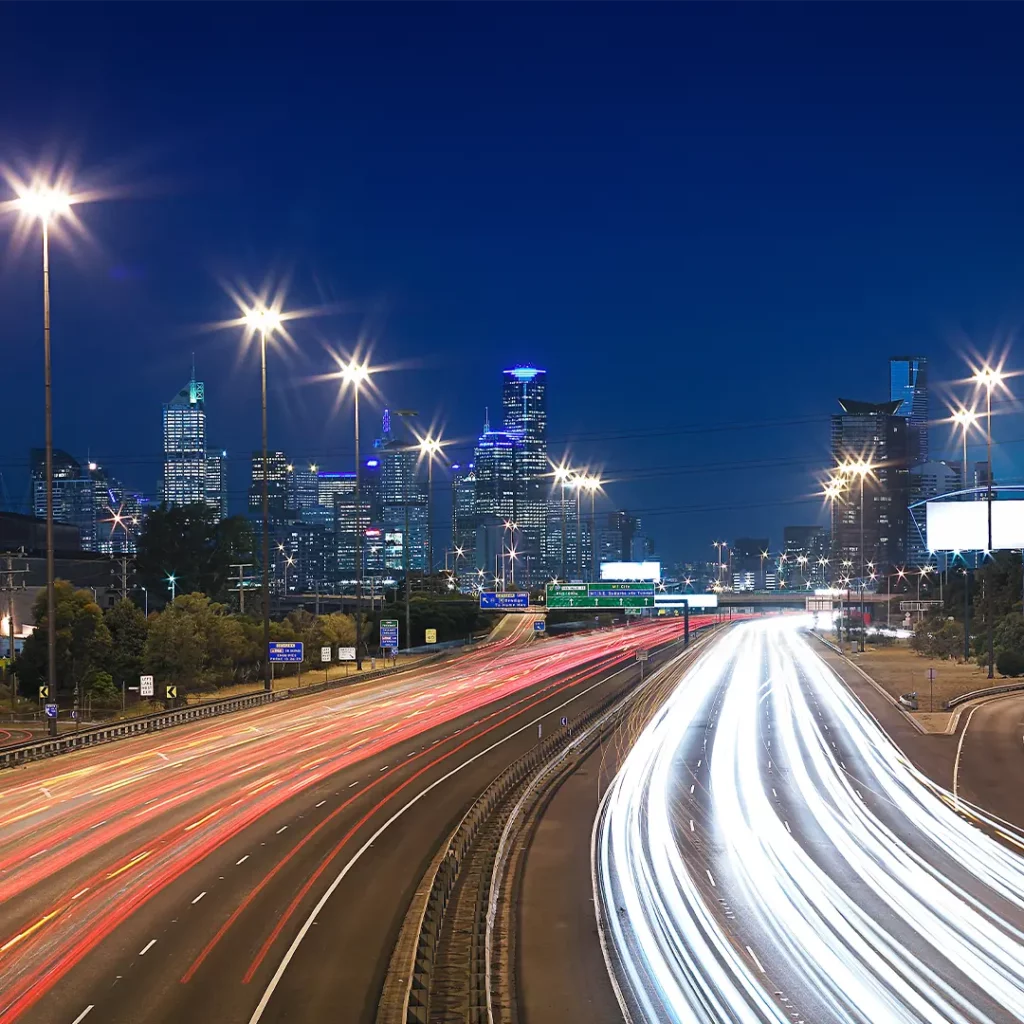
Traffic congestion: The city has more traffic with constant public transport on the roads and more vehicles. With the ever-growing population in urban areas, infrastructure is not able to accommodate the amount of traffic. Roads and freeways become congested, and quality of life is diminished.
Crime: Crime rates are higher in city areas compared to rural areas. Cities have more people interacting which leads to more crime. In the city there are more entertainment venues and businesses to be the target of criminal acts. People who live in the city need to be more cautious about potential crime to avoid becoming a victim. Crimes in the city range from mugging to theft, scams and incidents on public transports to incidents like assaults.
Disease: Population density contributes to the spread of disease so infectious diseases are more likely in city areas. Infectious diseases like Covid 19 and influenza thrive in overcrowded environments. In some cities, poor waste management can also lead to transmission of diseases and viruses. In cities, it is essential to have proper hygiene and access to healthcare for protection from the threat of disease.
Health issues: City living can exacerbate serious health issues like asthma, diabetes, cancer, and heart disease. The lack of adequate green space for walking or cycling, the extra pollution, and unhealthy living conditions all contribute to the higher likelihood of health issues.
Country Life
Country life is a slower paced, quieter way of living with more access to nature. People who live in the country often have a strong sense of community with a more relaxed and tranquil lifestyle. A rural lifestyle may also mean less access to the variety of amenities you can find in the city. Country life may not be for everyone so let’s look at the pros and cons of living in a rural environment.
Pros

Less pollution: Country living means less cars and less pollution. The air is cleaner in the country which is free from city congestion. The more rural you get, the more trees and fields, and the better quality air you get. Reduced light pollution allows more stars to be visible at night.
Less litter: Country areas have less population and so less waste is generated. As a rule, the county will have less litter than the city with its higher density.
Cost of living: Real estate in rural areas tends to be cheaper per square metre than it is in the city. In general, the cost of living is less in country areas as groceries are either cheaper to buy or the country dwellers may be self-sufficient. Surrounding farms often sell local produce that is not only fresh but cheaper than buying from a supermarket in many cases.
Sense of community: Country areas have less people than cities but often have a better sense of community. Rural living allows people to slow down and have more familiarity with neighbours and the community. Country living has a reputation for knowing your neighbours and helping them out if they need a hand. In a country town, the residents tend to support the local community and businesses which fosters a sense of belonging.
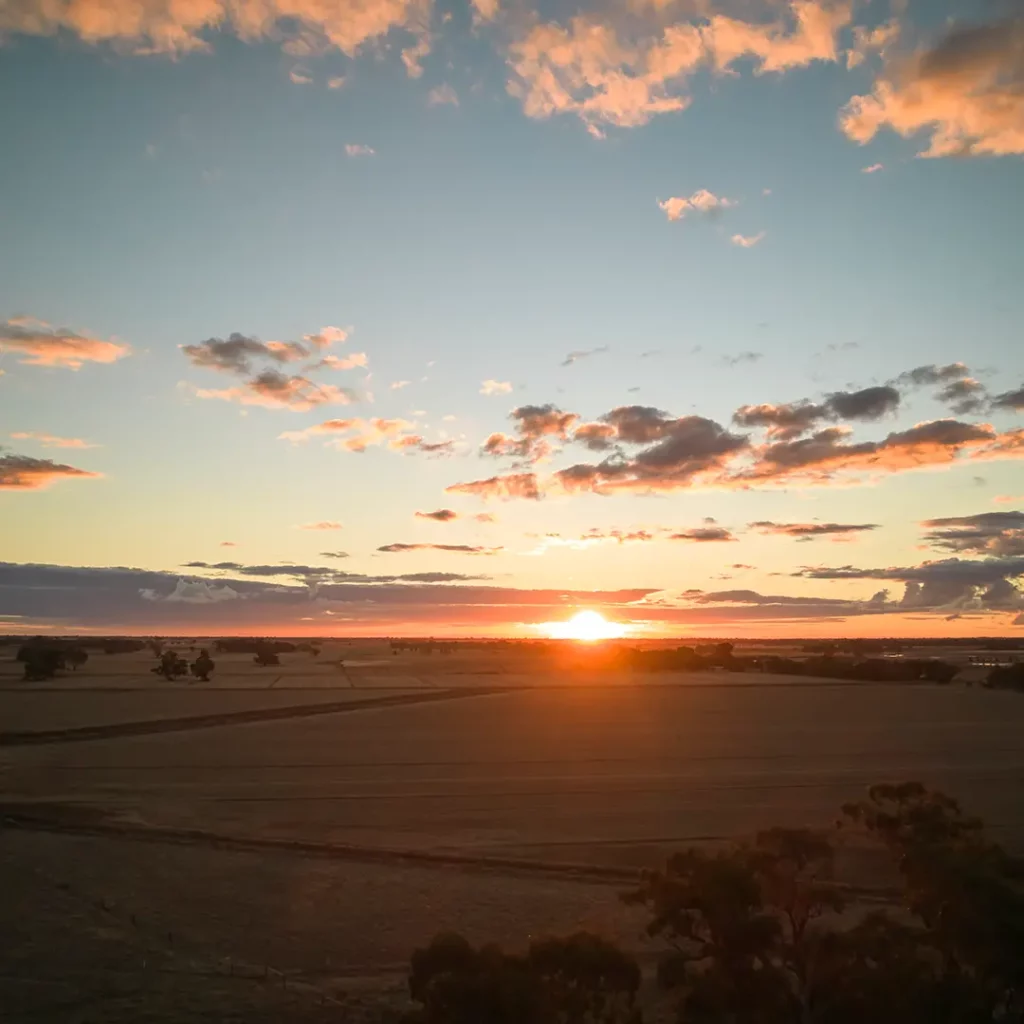
Nature: Living in the country means being close to nature and away from city chaos. The countryside is an untouched environment with plenty of trees, wide open fields, and untouched rivers. Simply living in such close proximity to nature helps reduce stress levels. It allows for outdoor activities like fishing, camping, horseriding and hiking.
More spacious: There is more room to move in the country compared to the city. Typically people live on properties that are more spacious than in urban areas. Often country streets will be less crowded and shops not as busy. When you live in the country you have more space and more room to breathe.
Better family life: Living in the country means spending more time with family than a city dweller. In the city, gridlocked traffic may mean hours in commuting to work every day. The country has less traffic and fewer hours on the road, increasing quality family time.
Improved health: Living in the country does improve health. It reduces stress as the country is associated with relaxation and restoration. The green spaces have cognitive benefits by renewing mental energy and creating clarity that cannot be found in the hustle and bustle of the city. People who live in the country have more positive feelings about life and the future, often finding themselves being more present and connected to their lives.
Less crime: Country residents are less likely to be the victim of crime so there is a sense of safety living in a rural area. While some crime does occur, it is not as common as in the city. There are less people in country towns so less likelihood of encountering someone with criminal intentions. In country towns, people also look out for each other more as there is a greater sense of community.
Cons
No metropolitan transit nexus: There is no large monolithic train infrastructure every 5 minutes causing air and noise pollution. However, buses and a train to the city are available. With that the country has less traffic, wider roads and ample parking.
How To Decide on City or Country Living
City and country living offer vastly different ways of life. When you think of the city you probably envisage a fast paced lifestyle, culture and entertainment at your doorstep. Imagining a country life is likely to induce feelings of peace and calm and a close connection to nature. Echuca offers the best of both worlds with the quiet serene pace of the country with the advantage of modern facilities.
These points may impact whether city or country living is right for you.
- Career: If career is important to you, and you would like to have a serene life, there is plenty of employment in the country you will likely have a more relaxed lifestyle.
- Social life: If you want to go to nightclubs and bars on a regular basis, the city is the best place for that.. However, the country has plenty of nightlife with pubs, clubs and festivals to dance the night away.
- Budget: If you are looking for a lifestyle that is relaxed and not going to cost as much, living in the country is the best option. The city is far more expensive on a daily basis and the country will offer larger homes and properties for less cost.
- Health: If your health is important and you want to avoid becoming unwell, living in the country is the best choice. Country living promotes a healthy lifestyle compared to the hustle and bustle of the city.
- Nature: If being in nature is important then the country is an obvious choice. In the country you are surrounded by nature and untouched places. The city is a different story with more cement than trees and greenery.
- Lifestyle: For a relaxed lifestyle with strong community ties and access to the beauty of nature, the country is the place to live.
- Family lifestyle: If you want to raise a family surrounded by nature and a sense of community, then the country is the place to live. City areas have more schools but do not have the sense of belonging that children can enjoy in a small country school.
There are big differences between the city and the country, and the type of lifestyle you want will depend on your personal circumstances. There are areas where you can enjoy the best of both worlds, living in the country with a strong sense of community, yet close to town and all the amenities. Echuca is the epitome of the best of old world charm and contemporary living. In the heart of the iconic Loddon Mallee Region, Echuca offers a tranquil lifestyle while knowing you have all the amenities close by. Echuca boasts events and festivals, food and wine trails and boutique shopping, while just minutes away is the calming presence of the Murray River in all its natural beauty. To find out more about enjoying country living with city amenities close by, contact Yallarah for further information.